

Health technology is transforming the way we understand and manage our bodies.
From to mobile apps and remote monitoring tools, we now have unprecedented access to personal health data at our fingertips. This shift reflects a broader cultural trend: people are increasingly invested in longevity, prevention, and overall well-being. The old model of waiting until illness strikes is being replaced by proactive monitoring and data-driven decision-making. At the heart of this transformation is a simple truth: knowledge equals power.
Why should you track your health?
When we can see real-time insights about our sleep, nutrition, stress, or cardiovascular health, we are better equipped to make informed choices. Whether it’s catching early warning signs of disease or fine-tuning lifestyle habits, the ability to track and understand health data empowers individuals to take control of their future. And while this is only the beginning of a global shift toward health tracking, the potential is enormous.
Key benefits of health tracking
Early detection of health concerns: Subtle changes in patterns, such as irregular heartbeats, rising blood pressure, or disrupted sleep, can signal health issues. Health tracking increases the chances of catching early symptoms.
Informed decision-making: Health data gives people a clearer picture of what’s happening in real time. This allows for accurate diagnosis, personalised treatment plans, and evidence-based lifestyle adjustments.
Motivation and goal setting: Progress tracking, whether it’s activity levels, glucose levels, or weight loss, creates motivation. Seeing measurable improvements encourages people to stay consistent with their health goals and push toward better outcomes.
Improved patient-provider communication: Instead of relying solely on memory during appointments, people can share concrete data from apps or wearables with their providers. This makes consultations more productive and helps doctors tailor advice.
Enhanced lifestyle changes: Data insights reveal how people’s daily habits – such as diet, exercise, and sleep – impact their overall health. By identifying patterns, individuals can make better lifestyle choices and benefit from long-lasting improvements.
Accountability and social support: Many health tools offer community features, team challenges, and sharing options. These create accountability and build social support, making it easier to maintain new health routines.
Long-term wellbeing: Consistent tracking reinforces positive behaviours and helps people establish healthier routines. This long-term commitment to self-awareness and proactive self-care contributes to better overall health and quality of life.
Wearable technology
Wearable technology has become one of the most powerful tools for tracking health in real time. These devices combine convenience, accessibility, and continuous monitoring, giving users a clearer picture of their overall well-being while offering actionable insights to support better lifestyle choices and medical care.
The Apple Watch is one of the most well-known wearables, offering features that go beyond step counting. It monitors heart rate, blood oxygen levels, sleep patterns, and even provides an on-demand ECG to detect irregular heart rhythms. These capabilities make it especially valuable for people managing cardiovascular health, while still serving as a versatile everyday fitness tool.
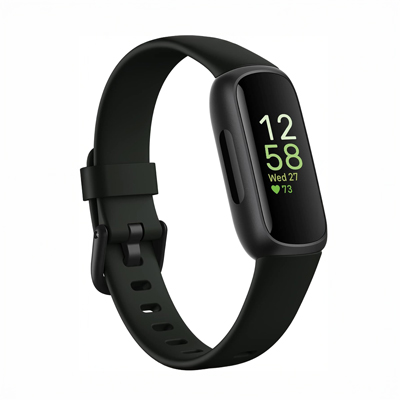
The Fitbit range remains popular for its user-friendly design and comprehensive tracking of daily steps, exercise, sleep, and heart rate. With accessible dashboards and reminders, Fitbit encourages users to stay active, set achievable goals, and maintain healthier habits. Its sleep-tracking features are particularly useful for identifying patterns that affect energy and recovery.
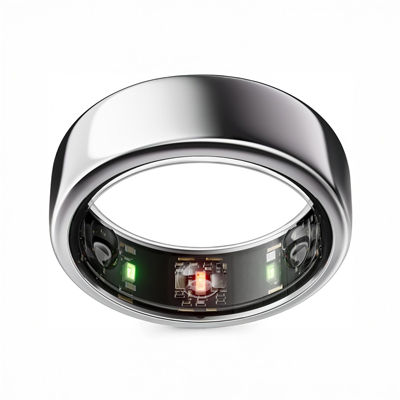
The Oura Ring offers a more discreet option. Worn on the finger, it emphasizes sleep quality, recovery, and readiness through advanced metrics like heart rate variability (HRV) and body temperature trends. It has gained attention among athletes, professionals, and individuals focused on optimizing performance and mental well-being.
Mobile health apps
Mobile health apps have become essential companions in everyday wellness, helping individuals track, manage, and improve different aspects of their health with just a smartphone. Unlike wearables, these apps often focus on specialised areas such as nutrition, mental health, or condition-specific management, making them highly adaptable to personal needs.
MyFitnessPal is one of the most widely used apps for nutrition and fitness tracking. It allows users to log meals, monitor calorie intake, and track exercise, offering insights into how daily habits affect weight, energy, and overall wellness. With its large food database and integration with other health platforms, it serves as a practical tool for anyone looking to build healthier eating patterns or achieve fitness goals.
When it comes to physical health, Visible is one of the most comprehensive apps for illness management. It helps people manage serious conditions such as long COVID or ME/CFS. It enables them to track symptoms, spot patterns, manage energy levels, and communicate more effectively with their healthcare teams. When it comes to mental health, Headspace is often considered the go-to app. It offers guided meditations, breathing exercises, and mindfulness practices. Together, these apps help users eat well, live well, and enjoy better quality sleep.
At-home health markers
Beyond wearable technology and mobile apps, health tracking also includes advanced testing. It’s becoming increasingly common for people to undergo regular checks of vitamin levels, hormone balance, blood tests, and cardiovascular risk markers. These tests go beyond surface-level metrics to uncover key health markers that can influence long-term outcomes. They also support the creation of personalised health goals, lifestyle advice, and treatment plans.
Health tracking products we love
Could health tracking be the key to a healthier life?
Technology doesn’t replace medical expertise, but it enhances our ability to take care of our health. By offering early warnings and actionable insights, health tracking tools can support both preventive care and symptom management. Ultimately, the true value lies in using technology not just to monitor numbers, but to inspire healthier decisions.
With tools that track everything from symptom frequency to meditation minutes, individuals have more visibility and control over their health than ever before. The real value lies in the insights this data provides. Every step counted, every heartbeat measured, and every night of sleep tracked adds up to a clearer picture of our health. By using these insights wisely, we can move beyond guesswork and make data-driven health decisions. As interest in longevity and preventive care grows, health tracking offers a clear way forward. And while we are still at the very beginning of this movement, the message is clear: When it comes to our health, knowledge is power.