Your heart is a remarkable engine, tirelessly pumping blood throughout your body every minute of your life. One of the most vital indicators of its efficiency and overall health is your resting heart rate (RHR).
This is the number of times your heart beats per minute when you are completely at rest. A lower RHR generally signifies a more efficient heart function and better cardiovascular fitness, while a consistently high RHR can sometimes indicate underlying health issues. This guide will explore medically-backed strategies to help you lower your resting heart rate for a healthier heart.
Understanding Your Heart Rate
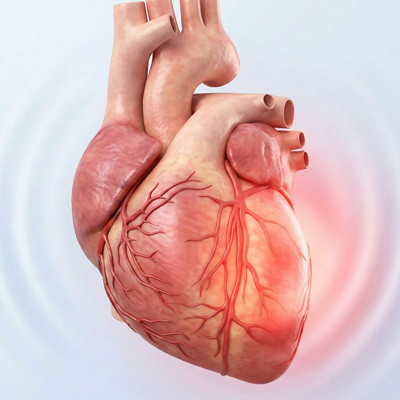
Before we delve into the methods of lowering your heart rate, it’s important to visualize the mechanism at play.
The image above provides a detailed view of the human heart, a muscular organ that acts as the body’s circulatory pump. With each beat, it propels oxygen-rich blood to your organs and tissues. The “rate” is simply the frequency of these contractions.
For most adults, a normal resting heart rate ranges between 60 and 100 beats per minute (bpm). However, a lower RHR, often seen in athletes, is generally considered healthier. A heart that beats fewer times per minute to supply the body’s needs is working more efficiently and is under less stress.
Lifestyle Changes for a Healthier Heart Rate
The most effective way to lower your resting heart rate is through long-term lifestyle modifications. These changes not only improve your heart rate but also your overall cardiovascular health.
1. Engage in Regular Cardiovascular Exercise
The single most important factor in lowering your RHR is regular aerobic exercise. Activities like brisk walking, running, cycling, swimming, and dancing strengthen the heart muscle. A stronger heart can pump more blood with each beat, meaning it doesn’t have to beat as frequently to meet the body’s demands.
The Goal: The NHS recommends at least 150 minutes of moderate-intensity activity or 75 minutes of vigorous-intensity activity a week.
The Mechanism: Over time, this training leads to physiological changes, including an increase in the size of the heart’s chambers and a boost in the blood volume it can pump, resulting in a lower RHR.
2. Maintain a Healthy Weight
Carrying excess weight puts an additional strain on your heart, as it has to work harder to pump blood throughout a larger body mass. Losing weight through a combination of a balanced diet and regular exercise can significantly reduce this workload, leading to a decrease in your resting heart rate.
Dietary Tips: Focus on a diet rich in fruits, vegetables, whole grains, and lean proteins. Reducing your intake of processed foods, saturated fats, and sugary drinks can help you achieve and maintain a healthy weight.
3. Manage Chronic Stress
In our fast-paced world, chronic stress is a common contributor to an elevated heart rate. The body’s “fight or flight” response releases hormones like adrenaline, which increases your heart rate. Finding effective ways to manage stress is crucial for heart health.
The image above beautifully illustrates the concept of a calm and peaceful state, a goal for those seeking to lower their resting heart rate through stress management. Practices such as mindfulness meditation, deep breathing exercises, yoga, and spending time in nature can all help to activate the body’s relaxation response, counteracting the effects of stress and lowering your heart rate.
Other Important Factors
Beyond exercise, diet, and stress, several other factors play a role in your resting heart rate.
4. Prioritise Quality Sleep
Sleep is essential for your body’s repair and restoration. Chronic sleep deprivation can lead to elevated levels of stress hormones, which can increase your resting heart rate. Aim for 7-9 hours of quality sleep each night to allow your heart to rest and recover.
5. Limit Stimulants and Toxins
Caffeine and Nicotine: These are stimulants that can temporarily increase your heart rate. While moderate caffeine consumption is generally considered safe, excessive intake can be problematic. Smoking is a major risk factor for heart disease and can also raise your RHR. Quitting smoking is one of the best things you can do for your heart.
Alcohol: Excessive alcohol consumption can also lead to an increased heart rate and other cardiovascular issues. It’s best to drink in moderation, following the UK Chief Medical Officers’ guidelines.
6. Stay Hydrated
Dehydration can cause your blood to thicken, making your heart work harder to pump it through your body. This can result in a higher heart rate. Ensure you drink enough water throughout the day, especially during and after exercise or in hot weather.
Monitoring Your Heart Rate
Keeping track of your resting heart rate can be a useful way to monitor your cardiovascular fitness and the effectiveness of your lifestyle changes. The best time to measure your RHR is in the morning, right after you wake up and before you get out of bed.
Modern technology, as shown in the image above, has made it easier than ever to track your heart rate. Smartwatches and fitness trackers can provide continuous monitoring, allowing you to see how your RHR changes over time in response to your lifestyle adjustments. You can also manually take your pulse at your wrist or neck.
When to Seek Medical Advice
While a lower resting heart rate is generally a sign of good health, it’s important to be aware of when it might be a cause for concern.
Bradycardia: A heart rate that is too slow (usually below 60 bpm, though this can be normal for athletes) can sometimes indicate a problem with the heart’s electrical system. If you experience symptoms like dizziness, fainting, fatigue, or shortness of breath along with a low heart rate, you should consult a doctor.
Tachycardia: A consistently high resting heart rate (above 100 bpm) can be a sign of an underlying health condition, such as anemia, thyroid issues, or an infection. It’s important to get this checked by a medical professional.
Medications: Certain medications, such as beta-blockers, can lower your heart rate. If you are on medication, it’s important to discuss your heart rate with your doctor.
Conclusion
Lowering your resting heart rate is a journey towards better cardiovascular health. It’s not about quick fixes but rather about making sustainable lifestyle changes. By incorporating regular cardiovascular exercise, maintaining a healthy weight, managing stress, prioritizing sleep, and being mindful of your habits, you can significantly improve your heart’s efficiency. Remember, your heart is your most important muscle – take care of it, and it will take care of you. If you have any concerns about your heart rate, always consult with a GP or a medical professional.