


We often obsess over superfoods, fitness trackers, and mental wellness apps – but there’s one crucial health factor that many of us still overlook: our gut.
The human gut is home to trillions of microorganisms, collectively known as the gut microbiome. These tiny residents influence nearly every part of your wellbeing, from digestion and immunity, to mood and hormones. In this article, we’ll explore why gut health matters so much – and what you can do to improve it.
What is the gut microbiome?
So, what exactly lives in your gut? Mostly bacteria, but also fungi, viruses, and other tiny little helpers. Far from being “bad germs,” many of these microorganisms are essential to your health. They help break down food, process vitamins, and defend against harmful bacteria. When the balance is right, they work together to help us feel great. But if the balance tips – a state known as dysbiosis – it can lead to bloating, fatigue, and other potentially more serious health issues.
Why is gut health important?
A balanced gut is more important than you might think. It helps improve your digestion, maintain your energy, support your emotional balance, and enhance your long-term health. Here’s how.
1. Digestion and nutrient absorption
The most important thing your gut does is help digest food and absorb nutrients. Without a healthy mix of gut bacteria, your body struggles to break down certain foods and unlock vitamins and minerals needed for energy, growth, and repair. That’s why an unbalanced gut often shows up as bloating, constipation, or nutrient deficiencies.
2. Immune system function
Much of your immune system is based in the gut. The bacteria living there are in constant conversation with immune cells, teaching them when to fight off harmful invaders and when to stand down. When your gut is balanced, this system runs smoothly, helping keep you healthier and reducing unnecessary inflammation.
3. Mental health
Here’s where things get fascinating: your gut and your brain are in constant communication through the gut-brain axis. Gut microbes don’t just help with digestion – they also produce key brain chemicals like serotonin, often called the “happy hormone”. When your gut is balanced, it supports steadier moods and better stress resilience. But when it’s less balanced, it can show up as anxiety, low mood, or other stress-related symptoms.
4. Overall health
Gut health has ripple effects across the body. A well-balanced microbiome supports metabolism, helps regulate weight and blood sugar, and even affects energy levels and ageing. When things are out of balance, issues such as cravings, fatigue, or difficulty maintaining a healthy weight often follow. Caring for your gut isn’t just about feeling good today – it’s an investment in your long-term health and vitality.
Probiotics, prebiotics, and postbiotics: What’s the difference?
Ever wondered what all these “-biotics” mean? Here’s a simple breakdown:
- Probiotics: These are the live “good” bacteria found in foods like yoghurt, kefir, sauerkraut, and kimchi, or in supplement form.
- Prebiotics: These are the “food” for your “good” bacteria – such as the types of fibre found in garlic, onions, bananas, and oats.
- Postbiotics: These are the beneficial by-products that probiotics produce once they get to work, such as short-chain fatty acids. These help strengthen your gut lining.
How to improve your gut health
The good news? You don’t need complicated routines or expensive supplements. Here are some practical steps to start today:
1. Eat for your microbiome
Fibre is your gut bacteria’s favourite fuel. Aim to eat a wide variety of fruit, vegetables, beans, nuts, and whole grains every day. Different fibres feed different microbes, so diversity is key. Not only does fibre keep digestion regular, but it also fuels the production of short-chain fatty acids that support your gut lining. The more plants on your plate, the happier your gut.
2. Manage stress
Your gut feels stress just like you do. Regular stress can harm your microbiome and increase sensitivity in the digestive system. That’s why it’s so important to find ways to unwind – whether it’s yoga, meditation, journalling, or simply a mindful walk outdoors. Calming your stress levels also helps calm your gut.
3. Prioritise sleep
Sleep isn’t only about feeling rested – it directly impacts your microbiome. Poor or irregular sleep disrupts its natural rhythm, leading to less diversity and more inflammation. Aim for seven to nine hours of consistent, good-quality rest each night. When your gut and your sleep are in sync, everything else feels easier.
4. Move Your Body
Exercise isn’t just for your muscles or heart – it’s a gut booster, too. Regular activity has been shown to increase the diversity of gut bacteria, which is a marker of good health. You don’t need marathon workouts; even twenty to thirty minutes of walking, yoga, cycling, or strength training most days can help. Over time, this movement supports digestion, mood, and energy levels.
5. Consider supplements (if needed)
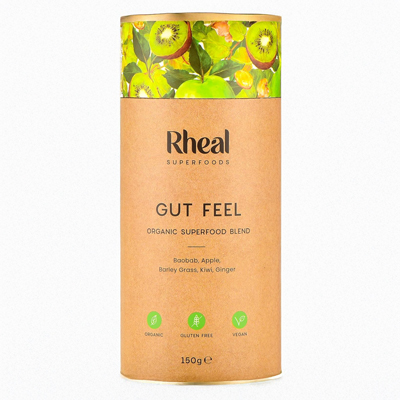
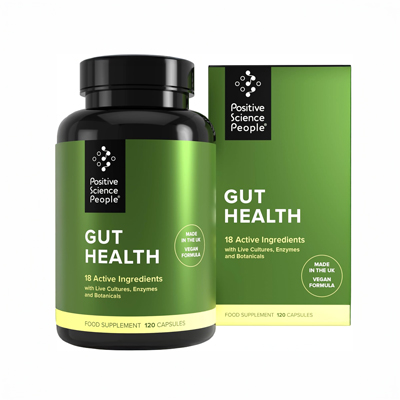
Probiotic, prebiotic, or postbiotic supplements can sometimes be useful, particularly after antibiotics or during times of imbalance. But not all supplements are created equal, and the best choice often depends on your individual needs. It’s always worth checking with a healthcare professional before adding them to your routine.
Our recommended gut health products
Feeling better about your gut health
Your gut is at the centre of almost everything – from how well you digest your lunch to how you manage stress, maintain energy, and protect your long-term health. By eating more plants, managing stress, getting good sleep, and moving your body regularly, you can create a thriving environment for your gut microbes. The best part? Taking small steps to care for your gut doesn’t just improve digestion – it can transform the way you feel day to day.