



The festive lights are coming down, the last of the chocolates have finally been polished off, and the New Year’s resolutions are looming large. After weeks of indulgence—and let’s be honest, it was glorious—the body often feels ready for a change.
Juggling a career, family, a social life, and everything in between can make getting back on the healthy wagon feel like a Herculean task. The transition from the cosy, cheese-filled bubble of December to the stark, busy reality of January is never easy. But it doesn’t have to be a punishment. Forget extreme detoxes, juice cleanses that leave you hangry, and restrictive diets that last three days; this is about making sustainable, feel-good changes that will see you through the winter months with energy and vibrancy.
Here are 8 essential tips on what to eat (and drink) to get back to your best self this January.
Based on the latest fashion trends and the unique vibe of a London celebration, we’ve curated a list of the top 10 dresses to help you ring in the new year in style.
1. Prioritise hydration (and we don't mean with cocktails)
It’s the simplest tip in the book, yet often the first one to be forgotten. After a season of festive toasts, rich gravies, and salty snacks, the body is likely battling a significant hydration deficit. Water is the unsung hero of recovery; it is essential for every single bodily function, from digestion and maintaining steady energy levels to keeping skin looking plump and radiant rather than tired and grey.
Aim to drink at least 2 to 2.5 liters of water a day. If the thought of plain tap water feels uninspiring in the chilly weather, try warm water with a slice of lemon to kickstart digestion in the morning. Herbal infusions count, too. Carrying a reusable water bottle—whether at a desk, in the car, or running errands—is a great physical reminder to keep sipping.
2. Make vegetables the star of your plate
The holiday period is often a vegetable-light zone, usually limited to the occasional roast potato or a token serving of Brussels sprouts. Now is the time to flip the ratio. Vegetables are the ultimate recovery food, packed with vitamins, minerals, fibre, and antioxidants—essentially everything your body needs to repair cells and boost your immune system against winter bugs.
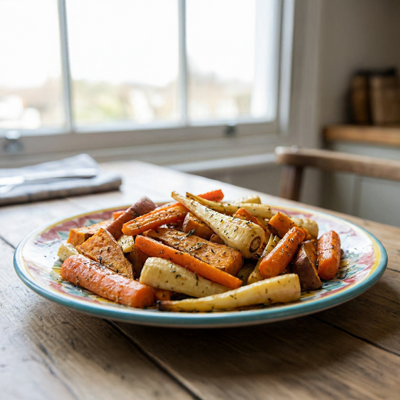
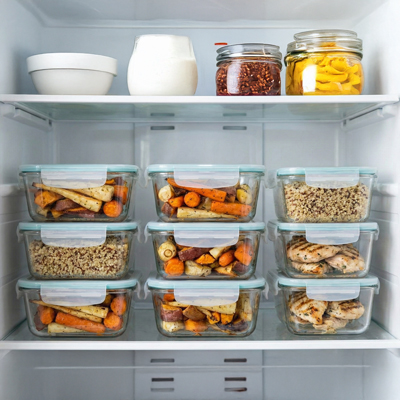
Aim to fill half your plate with vegetables at both lunch and dinner. But this doesn’t mean resigning yourself to cold salads or boring boiled broccoli. Winter is the season for root vegetables. Roast a large tray of carrots, parsnips, squash, and sweet potatoes with a generous drizzle of olive oil, sea salt, and woody herbs like rosemary or thyme. They are comforting, sweet, and filling. Alternatively, blitz them into warming soups. By making veggies the main event rather than a sad side dish, you naturally crowd out less nutritious options without feeling deprived.
3. Power up with quality protein
Protein is the building block of life, essential for repairing tissues, balancing hormones, and building muscle tone. Crucially for January, it is also key to satiety. A diet high in refined carbs (hello, leftover pastry) causes blood sugar spikes and crashes, leading to those 3 PM energy slumps and biscuit cravings. Protein levels this out, keeping you fuller for longer.
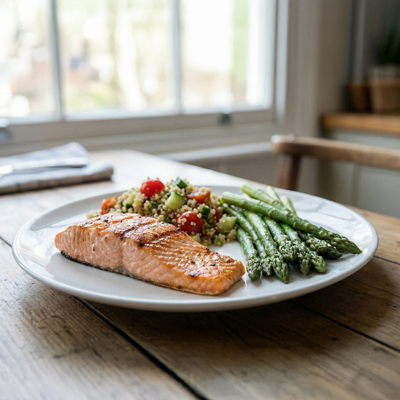
Make an effort to include a high-quality source of protein at every single meal. This doesn’t just mean steak; look for lean meats like chicken or turkey, or oily fish like salmon and mackerel, which have the added benefit of Omega-3 fatty acids for brain and heart health. If you are leaning towards plant-based eating, stock up on lentils, chickpeas, tofu, and beans. A simple grilled salmon fillet served with steamed greens and a side of quinoa is a perfect example of a meal that fuels you without weighing you down.
4. Befriend fermented foods for gut health
Your gut microbiome—the trillions of bacteria living in your digestive tract—can take a serious battering over the holidays due to excess sugar, alcohol, and processed foods. Since a huge portion of your immune system and your serotonin (the happy hormone) production resides in the gut, fixing your digestion is a priority for both physical and mental well-being.
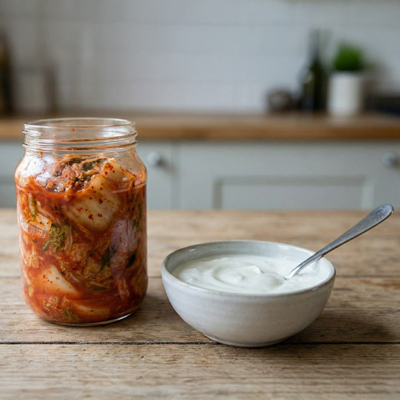
The best way to rebalance your gut flora is to introduce fermented foods. These are natural sources of probiotics. Think live yogurt, kefir (a fermented milk drink), sauerkraut, kimchi, miso, and kombucha. You don’t need to overhaul your entire diet; start small. A tablespoon of sauerkraut on your salad, a miso soup as a snack, or a small bowl of Greek yogurt with berries at breakfast can make a significant difference. Your tummy will feel less bloated, and your digestion will become more regular.
5. Practice mindful eating
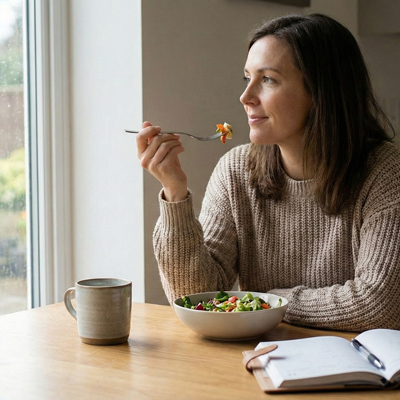
In the rush of returning to work and managing a busy schedule, it is easy to fall into the habit of mindless eating—inhaling a sandwich while answering emails or snacking while scrolling through your phone. This disconnects you from your body’s signals, often leading to overeating and poor digestion.
Reclaim your meal times. Try to eat without distractions—no laptop, no TV, just you and your food. Chew each mouthful slowly and thoroughly. Digestion begins in the mouth, and chewing properly ensures your body can absorb nutrients effectively. Pay attention to the textures, flavours, and aromas. Not only does this help prevent bloating, but it also allows you to actually enjoy your meal. You might find that you are satisfied with a smaller portion simply because you paid attention to eating it.
6. Master the art of meal prep
The biggest barrier to healthy eating is often a lack of time and energy. When you finish a long day and you’re tired and hungry, the path of least resistance often leads to takeaway apps or convenience foods. The antidote to this is preparation.
Dedicate an hour or two on a Sunday to “future-proof” your week. You don’t need to assemble perfectly tupperwared meals for every day, but prepping components is a lifesaver. Roast a big batch of veggies, boil some eggs for snacks, cook a pot of brown rice or quinoa, and perhaps make a large batch of stew or curry. Having these healthy building blocks ready in the fridge means you can throw together a nutritious, home-cooked meal in ten minutes flat, saving your health and your wallet.
7. Swap sugary drinks for herbal teas
If you’ve been overindulging in sugary sodas, creamy lattes, or alcohol, your liver and blood sugar levels will appreciate a break. However, going “cold turkey” on flavour can be boring. This is where the wonderful world of herbal teas comes in.
Swap your usual second coffee or sugary drink for a herbal alternative. Peppermint tea is fantastic for soothing a bloated stomach. Chamomile or lemon balm are gentle and calming, perfect for reducing anxiety and aiding sleep. Ginger tea is warming and brilliant for circulation and immunity. Green tea provides a gentle caffeine lift along with a massive dose of antioxidants. Find a flavor you love and make the brewing process a small, calming ritual in your day.
8. Start your day with a savoury balance
How you start your morning often dictates how you eat for the rest of the day. Research suggests that a breakfast high in sugar (like sugary cereals, pastries, or just toast and jam) spikes your insulin and sets you up for a roller coaster of cravings.
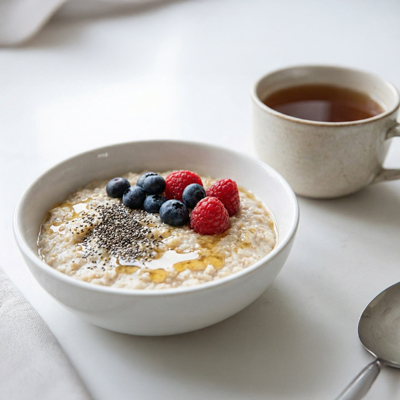
Try shifting your focus to a savoury or protein-rich breakfast. This anchors your blood sugar levels from the get-go. Eggs are a classic choice—poached, scrambled, or boiled. If you prefer plant-based, avocado on sourdough with a sprinkling of seeds is excellent. Even porridge can be made more balancing by adding a scoop of protein powder, nuts, seeds, or a dollop of nut butter to slow down the absorption of carbohydrates. By nourishing yourself properly first thing, you empower yourself to make better choices all day long.
A final thought
Getting back to healthy living in January isn’t about punishing yourself for having a good time in December. It’s about kindness. It’s about giving your body the nutrients, hydration, and rest it needs to function at its peak. Be patient with yourself. If you slip up and have a burger, enjoy it, and then just eat a healthy meal the next time. Consistency beats perfection every time. Here’s to a vibrant, healthy, and energised start to your year!