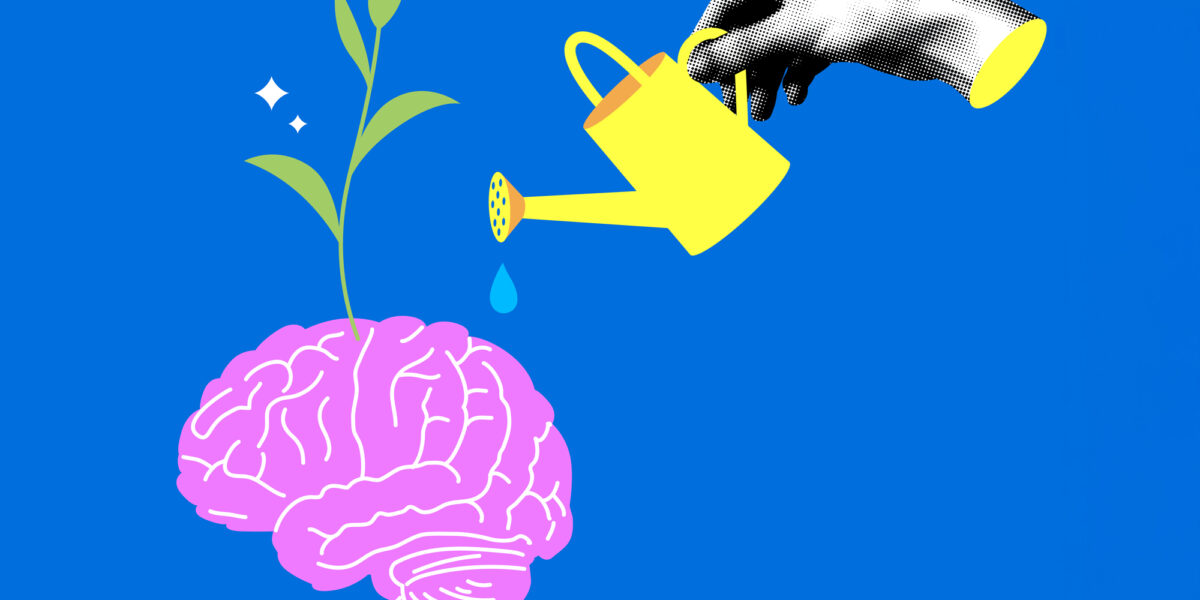

Managing stress doesn’t have to mean making huge lifestyle changes.
Often, it’s small, consistent actions that make the biggest difference. Taking time each day to relax, reflect, and connect with others can help you feel calmer, more balanced, and in control. Here, we offer a few simple ways to manage stress and improve your mental health through mindfulness, relaxation and small acts of self-care. They are all easy, research-backed approaches you can use to help reduce stress and boost your overall sense of wellbeing.
Mindfulness and relaxation
Practice mindfulness or meditation
Mindfulness is a great way to manage stress and improve your mental health. When you focus your attention on the present moment, you start to become more aware of your thoughts, emotions, and bodily sensations. This awareness helps you acknowledge any stress, anxiety, and physical tension. It also enables you to gently let it go. Mindfulness often involves breathing exercises, body scans, and guided meditation. It doesn’t have to be time-consuming. In fact, research has shown that even brief daily mindfulness sessions can help reduce stress.
Practice relaxation techniques
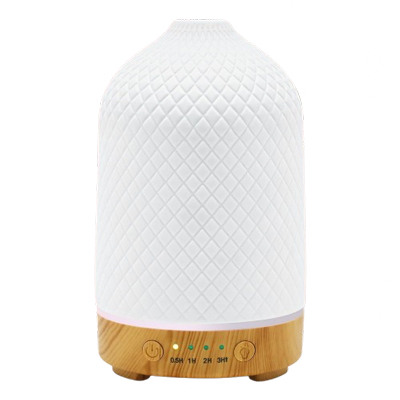
Relaxation techniques can help counteract the body’s stress response. For example, things like massage, acupuncture, and gentle stretching can help manage stress-related aches, pains, and muscle tension. Other techniques such as taking warm baths, listening to soft music, using home fragrances, and resting under weighted blankets can help create feelings of calm. These types of sensory and physical relaxation methods can lower your stress levels, improve your mood, and create a peaceful environment that supports overall mental health.
Spend time in nature
Spending time in nature is another great way to reduce stress and manage anxiety. Research has shown that green spaces, natural light, and fresh air all help with the physical signs of stress, by bringing your heart rate down, lowering your cortisol levels, and reducing physical tension in your body. It’s also shown that spending time in nature helps with mindfulness, relaxation, and enhanced mood. In fact, even short, 20-minute walks have been shown to improve both your physical and emotional wellbeing.
Do things you enjoy
Doing things that you enjoy is important for stress relief and good mental health. Trying new creative outlets – such as reading, cooking, painting, gardening, or playing music – can help shift your focus away from work and other daily pressures. It can also help improve your mood, energy, and confidence. Whether it’s a personal interest or a shared hobby, creative outlets are important for a calm, relaxed mind.
Exercise and physical activity
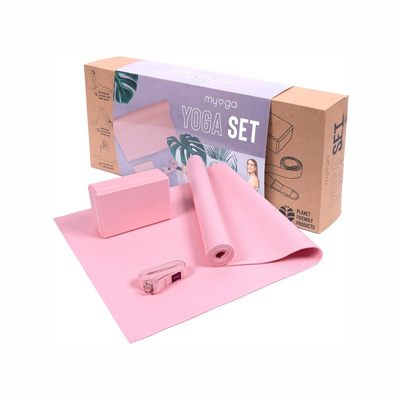
Exercise helps counteract anxiety and tension. Engaging in physical activity – such as walking, cycling, dancing, or yoga – can help improve your sleep quality and increase your overall energy levels. It can also help boost your mood, build your confidence, and provide a healthy emotional outlet. Even short bursts of activity, like a short, 10-minute run, can help reduce stress and improve your mental health. Whether it’s indoors or outdoors, physical activity is important for regulating emotions, building resilience, and improving your emotional wellbeing.
Sleep and restorative rest
Good sleep quality is essential for managing stress and maintaining good mental health. It gives your body time to rest and your mind time to recover. The result? Improved mood, better focus, and greater emotional stability. Whereas poor sleep quality can reduce patience, weaken resilience, and heighten stress responses, making daily challenges feel harder to manage. So what exactly is good sleep hygiene? Things like having regular bedtimes, less screen time, and a quiet, cool, dark sleep environment – all of which support deeper, more restful sleep.
Good emotional support
Having a good support network is important for managing your mental health. Talking with trusted family, friends, and colleagues is often helpful. It can help reduce stress by providing connection, preventing isolation, and bringing more joy into your life. Talking counsellors, therapists, or a psychiatrist in London can also be useful. It can provide additional support during difficult times. By cultivating and maintaining positive connections, you can strengthen your support network, develop good coping strategies, and turn to other people for help when needed.
Reflection and journalling
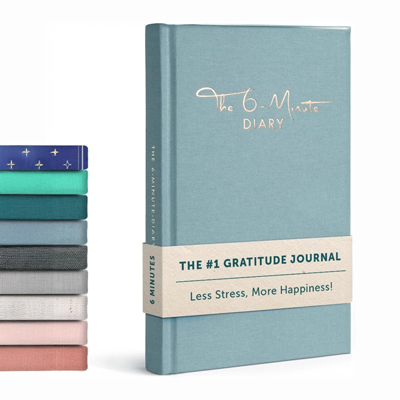
Journalling is often a healthy way to process your feelings. Writing down your thoughts, experiences, or worries can help you understand what’s really causing your stress. It gives you the opportunity to reflect on your recent mood or behaviour. It also gives you the ability to look deeper, consider different perspectives, and sometimes even find solutions to life’s challenges. Journalling is often also a healthy way to refocus your thoughts. Writing down positive thoughts, such as people you appreciate or things you’re grateful for, has been shown to encourage optimism. Journalling can also serve as a calming ritual and help release negative emotions. This is because it promotes mindfulness, positivity, and emotional balance. Read more on how journalling can help your wellbeing.
Good self-care routines
Establishing good self-care routines can offer gentle distraction and help restore balance to your busy lifestyle. Simple things – like lighting candles, applying face masks, using soothing skincare, and creating a little home spa – can signal to the brain that it’s time to unwind. These small, intentional self-care routines can help release built-up tension. They also help you feel more calm, relaxed, and confident going about your day. Taking time to care for yourself isn’t indulgent – it’s about taking time to prioritise your own wants, needs, and mental health.
Our favourite buys for reducing stress
Prioritising yourself and your mental health
Good stress management is often a result of small, repeated actions. By combining mindfulness, relaxation, movement, and healthy self-care routines, you can start to work on improving your resilience and creating a calmer, more positive mindset. Stress is a normal part of life, it’s all about how you respond to it. By prioritising time for rest, connection, and self-care, you can start to reduce your stress levels and protect your mental health. Having routines in place really can change how good you feel, how well you react to stressful situations, and how quickly you’re able to move forward.